
Understanding How You Learn Changes How You Lead
When I was 18, I was trying to decide whether I needed to go to college.
I’d already spent a couple of years working and growing as a leader, but I wasn’t sure a traditional classroom was the right next step for me.
A leader I respected spent half a day with me, mostly asking questions and getting to know how I was wired. At the end of our conversation, he said:
“Some people need a classroom setting to learn. You could learn there, but you’re also wired to learn outside of it.”
That conversation really opened my eyes and shaped how I chose to learn from that point forward.
A quick sidebar: I ultimately decided not to go to college. Instead, I kept learning through work, experience, relationships, and the leaders around me. That path won’t be right for everyone, but it helped me realize that meaningful learning doesn’t always happen in the same kind of setting.
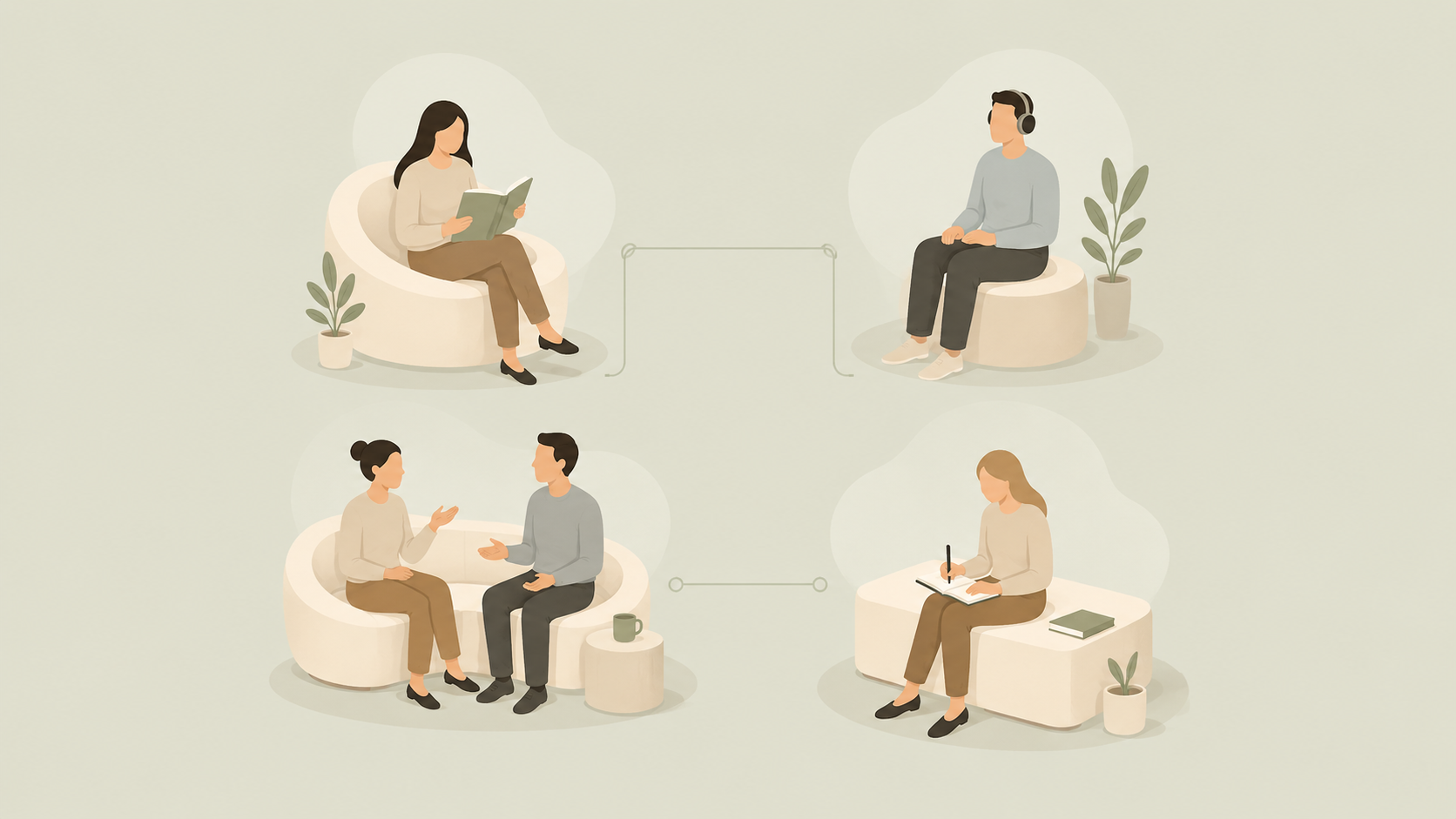
After decades of figuring out how I learn best and watching other leaders grow, I’ve noticed four primary ways people learn:
From experts who teach proven ideas and frameworks
From peers who are navigating similar challenges
Through experience by applying ideas to real situations
Through relationships with people who know us well
Most of us can learn through all four. But there are probably one or two that help things click and stick a little more deeply.
Why Understanding How We Learn Matters
So much of leadership comes down to helping people understand something and then act on it.
Maybe you’re preparing a sermon every week. Maybe you’re communicating vision, rolling out a new strategy, or developing someone on your team. Whatever it is, it’s not enough for us to explain something well. We have to make sure it’s actually received well.
Understanding how people learn helps us make better use of our own limited time. But it also helps us communicate and develop others in ways that are much more likely to lead to real understanding, growth, and action.
Here’s a simple question to ask ourselves and our teams:
Where has most of our growth come from over the past year, and are we creating enough opportunities to learn that way?
Maybe we need another book or conference.
Or maybe we need a conversation with someone sitting in the same seat, an opportunity to actually practice what we’re learning, or a few trusted people who know us well enough to challenge our thinking.
Keep Learning in the Way That Works for You
LeadingSmart helps you continue learning, no matter which style works best for you.
If you learn best through personalized guidance from someone who understands leadership and organizational complexity, our coaching and consulting services give you the opportunity to work directly with an experienced leader.
If you learn best alongside peers who are sitting in a similar seat, the LeadingSmart XP Cohort connects executive pastors and second-chair leaders for ongoing learning, conversation, and support.
Our Gatherings combine several ways of learning in one experience. You’ll hear from experienced leaders, work through real church challenges, learn from peers, and build relationships with people who understand the seat you’re sitting in.
I designed these Gatherings to be the kind of experience I would want to attend myself. We’ve worked hard to make them valuable for every leader in the room, no matter how you learn best.
And if you prefer learning at your own pace, you’ll find practical blogs, webinars, ebooks, and other tools under the Resources section at LeadingSmart.com.
The point isn’t to choose one way of learning and ignore the others. It’s to understand what helps you grow and then become more intentional about creating those opportunities for yourself and the people you lead.
Listen to the Full Conversation
In this episode of The LeadingSmart Podcast, Holly and I talk more about the four primary ways people learn: from experts, from peers, through experience, and through relationships.
We also talk about why the people we learn with may matter as much as the content itself, how learning alone can sometimes create distance between leaders and their teams, and how understanding the way people learn can make us better communicators and leaders.
Listen here: